From the book, Conversion, by Fr. Haggerty
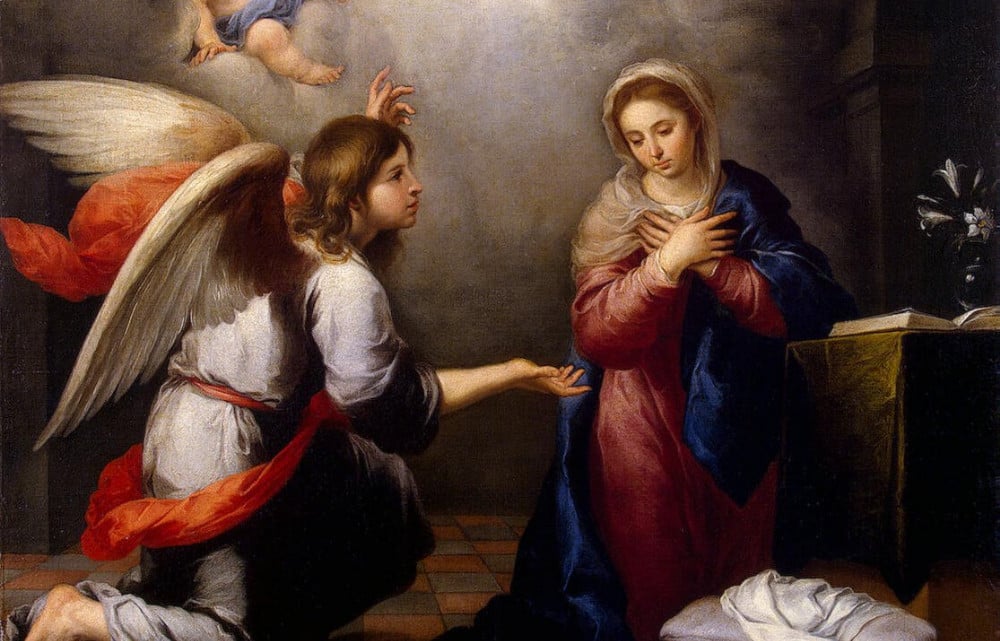
The surrender of the second conversion has another element. Before it takes place, in a kind of concealed preparation, the Virgin Mary for some time quietly attracts a soul to this act. She is very intent to draw souls to an offering of their entire lives while the future of those lives is still unknown. This fearless casting of our life into the hands of God, inviting him to use it as an offering, can only be undertaken from a great love. It seems that Mary searches for souls who are poor in their desires, stripped down in their need before God, and who want nothing so much at a certain point of their lives as to make a great offering of love. She recognizes them because she sees in them the longing she possessed in an immense way at the time of the Annunciation—the desire to give everything of oneself to God. What Mary wants for these souls is that they awaken to the beauty of her surrender at that hour, which she expressed in her fiat—“I am the handmaid of the Lord; let it be to me according to your word” (Lk 1:38). She wants these words to seize a soul with a longing for the same act. Perhaps her words on that morning in Nazareth must be savored for a long time in our prayer if we are to take this spiritual leap in prayer into the “second conversion”. For Mary, this act of her fiat abandoned her life entirely to God and already anticipated the complete gift of herself. In themselves, the words are the finest expression of a complete and fearless gift of a soul to God. Mary would like to teach souls their deeper import. The “yes” of her fiat placed her already in union with God, aligned the future of her life already in oneness with God’s desires, and it can be so with us. Although we can only imitate and follow her, we cross a threshold of permanent transformation when this act begins to occupy our own prayer and even obsess it to some extent. The initial desire to make these words our own is already preparing us for the leap into the “second conversion” (119).


 Prodigal Catholic